


-

Add: HeBei ShengShi HongBang Cellulose Technology CO.,LTD.
-

Email
13180486930@163.com -

CONTACT US
+86 13180486930

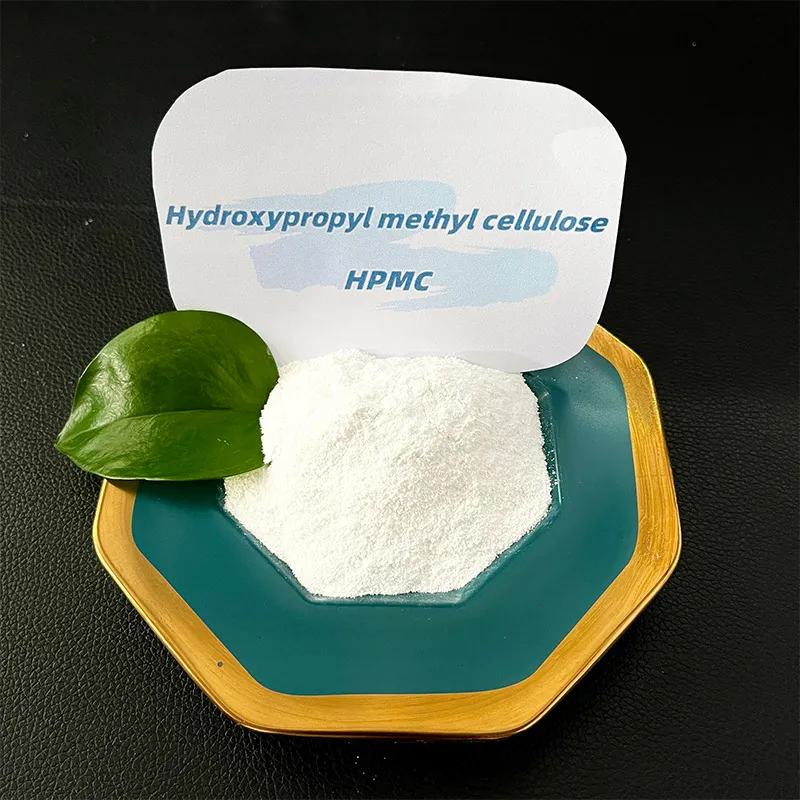



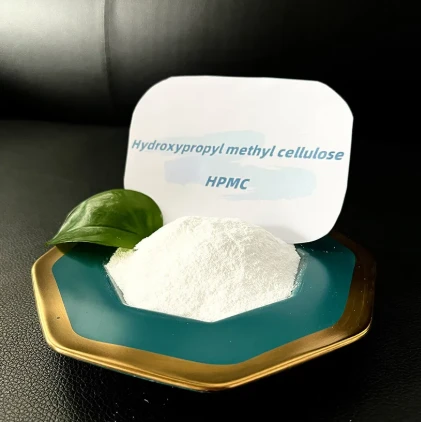
Retained Hydroxypropyl Methylcellulose (HPMC) has long been a cornerstone in various industrial and pharmaceutical applications, offering versatile properties that enhance product formulations, consistency, and performance. The recent discontinuation of certain retained HPMC products has sparked concern and curiosity among businesses and consumers who relied on its unique benefits. This article delves into the implications of this discontinuation, offers alternatives, and discusses the broader impact on industries that heavily utilized these products. Retained HPMC is renowned for its exceptional ability to control moisture, serve as a thickening agent, and sustain the stability of emulsions and suspensions. Its non-toxic, inert properties have made it a popular choice in the pharmaceutical industry for coating tablets, controlling drug release , and even in topical formulations. The construction sector also values HPMC for enhancing the workability of mortar and cement products, reducing water retention, and promoting adhesive properties. The discontinuation of retained HPMC products can be attributed to several factors, including shifts in market demand, advancements in technology, and changes in regulatory standards. For instance, increasing scrutiny over synthetic additives and a growing push for more sustainable, biodegradable alternatives have influenced manufacturers to reconsider their product lines. Furthermore, innovations in biopolymers and natural thickeners are providing effective substitutes that align with contemporary consumer preferences for eco-friendly ingredients. Businesses reliant on retained HPMC must now explore alternative solutions that can offer comparable performance characteristics. One promising substitute is cellulose ethers derived from natural sources, which maintain the desirable properties of HPMC while addressing environmental concerns. These alternatives minimize ecological impact and align with the industry's movement towards more sustainable practices. Moreover, professionals working in R&D departments are tasked with reformulating products to adapt to the absence of retained HPMC. This presents an opportunity for embracing innovation, as new formulations can potentially outperform traditional ones not just in terms of efficacy, but also in meeting regulatory standards and consumer expectations. Collaborative efforts across industries may foster the rapid development and acceptance of suitable replacements, thereby maintaining product integrity and customer satisfaction. retaine hpmc discontinued For industries such as pharmaceuticals and construction, the transition away from retained HPMC products necessitates thorough testing and validation processes to ensure the quality and safety of new formulations. This requires increased investment in R&D and robust collaboration with suppliers who can provide consistent, high-quality alternative ingredients. The discontinuation also highlights the importance of future-proofing product development to anticipate market shifts and regulatory changes. Companies that invest in adaptable, innovative solutions position themselves advantageously to navigate potential disruptors, ensuring long-term resilience and competitiveness. Engaging with regulatory bodies, industry groups, and consumer feedback can offer valuable insights and guide the development of high-performing alternatives. While the phase-out of retained HPMC products may pose challenges, it also paves the way for forward-thinking companies to lead the charge in sustainable innovation. By embracing this change, industries can not only sustain their operations but also contribute to broader environmental goals and enhance their reputation as conscientious, responsible market players. In conclusion, the discontinuation of retained HPMC products necessitates a strategic pivot towards sustainable alternatives. Through embracing innovation, rigorous testing, and cross-industry collaboration, companies can effectively navigate this transition. This approach ensures that businesses remain competitive and responsive to evolving market demands and regulatory landscapes, all while contributing positively to environmental sustainability.
- 40000tons

Production
- 20+years

Experience
- 5000+㎡

Acreage

-
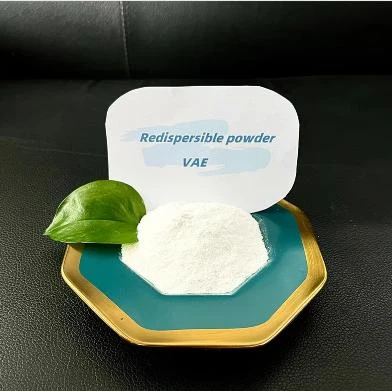
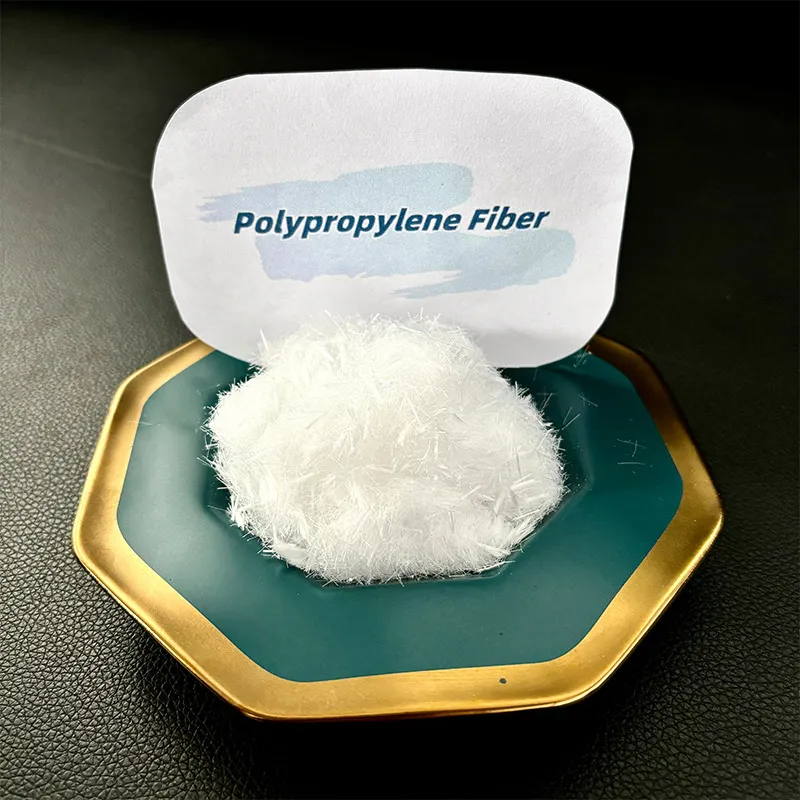
The Advantages of Glass Fiber Reinforced Polypropylene In recent years, the demand for advanced materials in various industries has surged, leading to the development of innovative composites. One of the most notable advancements is the creation of glass fiber reinforced polypropylene (GF-PP), which combines the resilient properties of polypropylene with the strength and durability of glass fibers. This material has established itself as a game changer in manufacturing and engineering, thanks to its numerous benefits. Composition and Properties Glass fiber reinforced polypropylene consists of a polypropylene matrix enhanced with glass fibers. Polypropylene, a thermoplastic polymer, is known for its lightweight, chemical resistance, and flexibility. When reinforced with glass fibers, it gains significant mechanical properties, including increased tensile strength, stiffness, and impact resistance. The incorporation of glass fibers minimizes the weight of the components while maximizing their strength, making GF-PP an ideal choice for applications where reducing weight is critical. Enhanced Mechanical Performance One of the primary advantages of GF-PP is its exceptional mechanical performance. The glass fibers provide rigidity and resistance to deformation, making this composite suitable for parts that need to withstand stress and strain without failing. This is especially important in industries such as automotive and aerospace, where the weight-to-strength ratio is critical. For instance, engineers can design lighter vehicles that do not compromise on safety or performance. In addition to tensile strength, GF-PP exhibits improved impact resistance. This makes it an excellent choice for products that are subjected to harsh conditions or potential impacts, such as automotive bumpers or protective housings for electronics. The enhanced impact resistance reduces the likelihood of product failure and extends the lifespan of components. Chemical and Thermal Resistance . Moreover, the thermal stability of glass fiber reinforced polypropylene is noteworthy. It can endure higher temperatures without softening, making it suitable for applications that require materials to maintain integrity under heat. This thermal resistance broadens the scope of potential applications, from electrical enclosures to automotive under-the-hood components. مادة البولي بروبيلين المقوى بالألياف الزجاجية Sustainability and Environmental Considerations As the world moves towards a more sustainable future, the use of glass fiber reinforced polypropylene offers an environmentally friendly alternative to traditional materials. Polypropylene itself is recyclable, and advancements in recycling technologies are making it easier to reclaim and reuse GF-PP. Additionally, the lightweight nature of GF-PP contributes to energy savings in transportation and manufacturing processes. In recent years, efforts have also been made to explore bio-based polypropylene, where natural resources are utilized to create the matrix. This innovation could enhance the sustainability profile of GF-PP even further, aligning with global goals to reduce carbon footprints and reliance on fossil fuels. Applications Across Industries The versatility of glass fiber reinforced polypropylene allows it to be used in a wide array of applications. In the automotive industry, GF-PP is increasingly used in dashboards, interior panels, and under-the-hood components. Its strength and lightweight characteristics contribute to overall vehicle efficiency and performance. In the consumer goods sector, GF-PP is popular for producing durable storage containers, outdoor furniture, and sports equipment. Its aesthetic appeal, combined with its robust properties, allows for the design of products that are both functional and attractive. Lastly, in construction and infrastructure, GF-PP is finding its way into elements such as pipes, fittings, and composite panels, where durability and resistance to environmental factors are paramount. Conclusion Glass fiber reinforced polypropylene represents a significant advancement in material science. Its unique combination of lightweight properties, mechanical strength, chemical resistance, and environmental benefits makes it an attractive choice for a variety of applications across multiple industries. As technology continues to evolve, we can expect further innovations and enhancements to this remarkable material, paving the way for a more efficient and sustainable future.
-
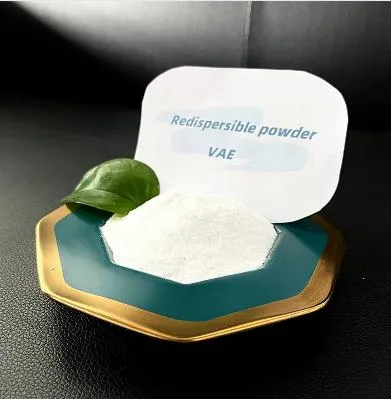
For companies in the pharmaceutical, construction, and food industries, a dependable source of Hydroxypropyl Methylcellulose (HPMC) is crucial. HPMC, a versatile polymer, serves as a key ingredient in many industrial applications. Decoding the journey of becoming an adept HPMC buyer opens numerous opportunities, yet it requires profound understanding and vigilance. The landscape of HPMC suppliers can be complex, with variations in quality and production standards. Establishing relationships with reputable suppliers should be a priority for any company. Firstly, it's essential to evaluate the supplier's consistency in delivering high-grade HPMC. A qualified supplier not only provides certifications but also abides by the regulations of international standards such as ISO. This indicates their commitment to maintaining quality, thereby building trust. Discerning HPMC buyers often start with thorough research. Resources such as industry journals and digital platforms can offer insights into different grades and types of HPMC available. It is beneficial to compare technical specifications across suppliers to understand the best fit for your application's needs. Additionally, reaching out to industry professionals for endorsements can enhance supplier credibility, bolstering confidence in your selection. In terms of expertise, having a seasoned purchasing team is pivotal. A team well-versed in HPMC's properties and applications can identify the right type of product required for specific processes—whether it’s for its thickening, emulsifying, or binding properties. Regular training workshops and exposure to new industry developments are instrumental in maintaining cutting-edge knowledge and expertise. Experience in handling HPMC procurement involves a strategic balance between demand forecasting and supply chain management. Successful buyers invest in robust supply chain systems that allow precise demand anticipation, ensuring that production isn’t stalled by unexpected shortages. These systems can also facilitate smooth communication channels between suppliers and buyers, essential for navigating market fluctuations. Another aspect critical to being an authoritative HPMC buyer is sustainability. Engaging with suppliers that prioritize environmentally friendly production processes not only helps in meeting corporate social responsibility goals but also resonates with today’s environmentally-conscious consumers. Opt for suppliers who demonstrate transparency in their supply chains, thus allowing for traceability, which is a growing demand in global markets. hpmc buyer The decision-making process extends beyond just the product . Negotiate contracts with clear terms regarding delivery schedules, return policies, and contingencies for delays or defects. An authoritative buyer will ensure these contracts also include clauses for scalability as needs evolve, providing flexibility for future growth. Building a trustworthy reputation in HPMC procurement also involves leveraging technology. Investing in digital procurement tools can streamline operations, reduce errors, and improve analytics, offering insights that shape informed decision-making. Additionally, these tools provide real-time updates, enhancing the buyer’s ability to adapt promptly to market changes or unforeseen circumstances. Ensuring reliability also pertains to post-purchasing services. Engage suppliers who offer comprehensive support, including technical advice, troubleshooting, and training to maximize the product’s utility. Establishing such partnerships allows for continuous improvement and innovation in resource utilization. Security is another indispensable element. Protect your enterprise by using secure systems for financial transactions and supplier communication, shielding it from cyber threats. Strong data protection protocols enhance trust within the buyer-supplier relationship and safeguard corporate interests. Ultimately, the quest to become a distinguished HPMC buyer is ongoing. Continuous market analysis, investment in expertise, and embracing technological advancements are key strategies for sustaining authority and trustworthiness in the field. As industries evolve, so should your procurement strategies, ensuring that not only does the product meet technical specifications but also aligns with broader business goals and aspirations. The journey of an HPMC buyer transcends beyond purchase—it encapsulates a commitment to quality, sustainability, and strategic growth.
advantages
-

200000 Viscosities
Excellent product
We can produce pure products up to 200,000 viscosities
-

40000 tons
High yield
We don’t stop production all year round, and the annual output can reach 40,000 tons
-

24 hours
Quality service
We provide 24-hours online reception service, welcome to consult at any time
———— Inquiry Form
Schedule A services

-
 macro_fiber_concrete
Oct . 25, 2025
When exploring the vast world of pharmaceutical and construction materials, one cannot ignore the co -
 microfibras_de_polipropileno
Oct . 25, 2025
Methocel F4M, a popular brand of hydroxypropyl methylcellulose (HPMC), stands out as an essential in -
 eter_de_almidon_en_adhesivo_para_baldosas
Oct . 25, 2025
Insulation materials represent a critical frontier in sustainable construction, balancing thermal ef


